Adult Jaw Expansion London
For optimal breathing, sleep, smiles, and face profiles
Why Modern Jaws Have Developed Smaller
If you’ve been told your teeth are “fine” but you still feel like something is wrong — you’re not imagining it.
Many adults come to me after years of being dismissed about tongue space, jaw clicking, teeth grinding, sleep quality, or face profile changes.
Most dentists focus on the teeth.
But the missing link is often that the jaws haven’t developed to the size your tongue, airway, and face actually need.
Why Small Jaws in Adults Are More Common Than You Think
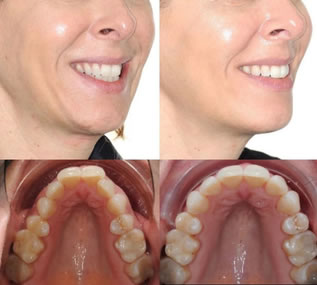
For many adults, narrow jaws aren’t “just genetics”. They’re often the result of modern lifestyle factors during childhood.
Common contributors include:
- Softer diets that didn’t stimulate jaw growth
- Mouth breathing and low tongue posture (often linked to allergies or blocked noses)
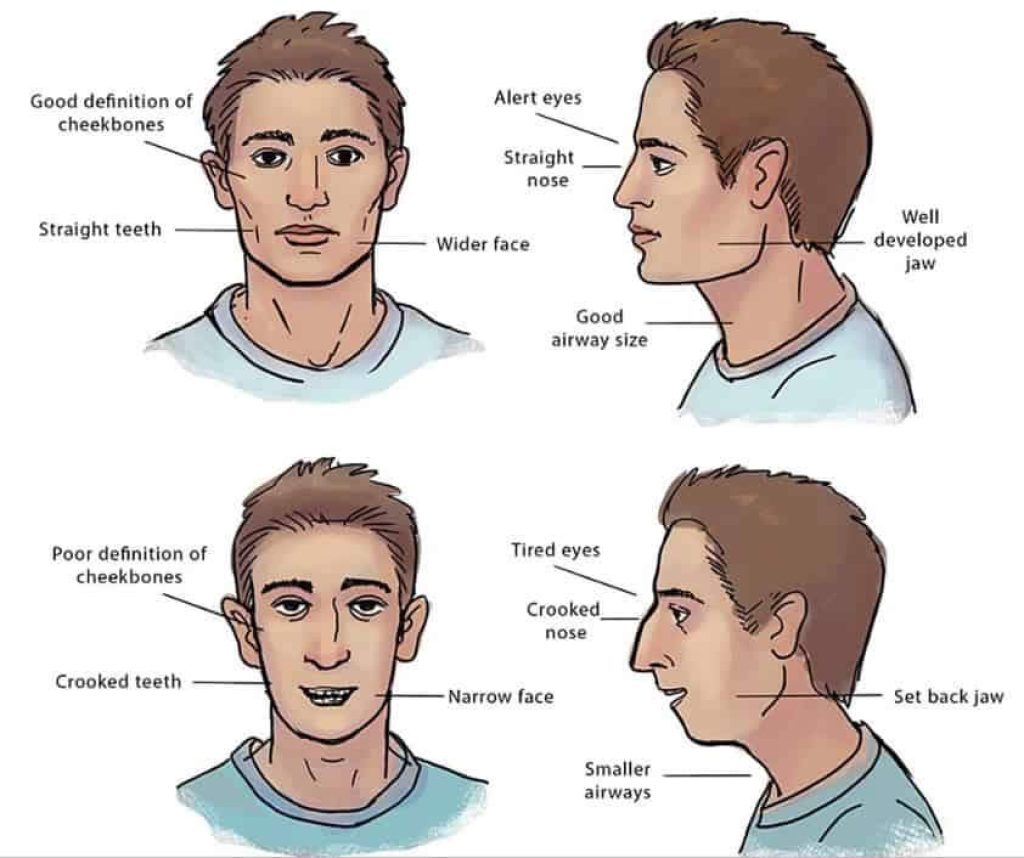
When teeth erupt in the presence of underdeveloped jaws, there isn’t enough space — so teeth come through crowded and faces develop longer.
What’s important to understand is that the consequences of smaller jaws don’t always show up immediately. Many adults only begin to notice issues later in life, such as reduced tongue space, grinding, jaw tension and poor sleep.
These issues are further compounded by extractions and retraction-based braces where teeth were straightened by pulling everything back. The result? Small jaws are made even smaller — something we’ll explore next.
Extractions and Braces and the link to small jaws

Many adults looking for jaw expansion had teeth removed for braces in their teens.
Extractions are often used to create space so braces can work quickly by pulling everything back. While this can make the smile straighter, it can also make small jaws even smaller.
Common concerns adults notice after extraction-and-retraction braces include:
- Narrow smiles where the back teeth don’t show
- Less space for the tongue
- A lower jaw that looks more recessed and an upper jaw that looks flatter
- Jaw joint clicking or discomfort
- Grinding, and sometimes snoring or sleep apnoea symptoms
The key point is this: the effects of extractions can often be helped. A careful jaw assessment allows us to understand what has happened and plan how best to support you — with jaw expansion at its core.
Adult Jaw Expansion using Airway Dentistry
Jaw expansion can play a key role in helping you breathe optimally and sleep more deeply.
It creates space for the tongue to sit in the roof of the mouth, where it naturally wants to be. In this position, the airways are more open and nasal breathing is supported, which is the healthiest way to breathe.

Adult Jaw Expansion with an Airway Dentist in London
A dentist or orthodontist will typically focus on the teeth only. When creating space for straightening it’s common for teeth to be shaved or extracted and everything pulled back.
This can make jaws smaller – cramping the tongue for space meaning it can fall back during sleep – resulting in snoring, sleep apnoea, mouth breathing and grinding.
An airway dentist looks at the teeth, jaws and airway and uses jaw expansion to create space. This can be a root-cause approach for people looking to treat their Teeth Grinding and TMJ or Snoring and Sleep Apnoea.

Jaws and the link to Teeth Grinding & TMJ
Many adults with smaller jaws experience teeth grinding, clenching, jaw joint clicking, pain, or muscle tension.
A common missing piece is the airway. Smaller, underdeveloped jaws mean less room for the tongue to sit in the roof of the mouth. When you lie flat during sleep, the tongue can fall back and narrow the airway further.
The body often responds by activating the jaw muscles — which can contribute to grinding and jaw joint strain. Past extraction-and-retraction braces can add extra pressure by pulling everything back more than is ideal.
For more information, see TMJ & Teeth Grinding London.

Jaws and the link to Snoring & Sleep Apnoea
Smaller jaws and reduced tongue space are closely linked to snoring and sleep apnoea.
In adults with narrow jaws, the lower jaw is often further back than it should be, which positions the tongue further back too. During sleep — especially on your back — the tongue can fall back and narrow the airway, contributing to snoring and sleep apnoea symptoms.
Sleep apnoea can involve choking or gasping during sleep and is a serious health issue. Without deep, restorative sleep, your body can’t recover properly from daily stress.
For more information, see Snoring and Sleep Apnoea London.
Jaw Expansion and Recessed Jaws

It’s very common for adults to believe their lower jaw is too small or recessed.
Genetically, the lower jaw typically develops in one of two ways — it can be oversized, or it can be the correct size.
In most adults who feel their lower jaw looks recessed, the lower jaw itself isn’t too small. Instead, the upper jaw hasn’t developed forward enough to allow the lower jaw to sit in its natural, forward position.
When the upper jaw is expanded, space is often created for the lower jaw to posture forward naturally, helping improve jaw balance and the appearance of the lower jaw without surgery.
Can Adult Jaws Really Be Expanded?
A common myth is that adult jaws are fused and can’t be expanded.
This is why some approaches use aggressive forces or surgery to split the upper jaw.
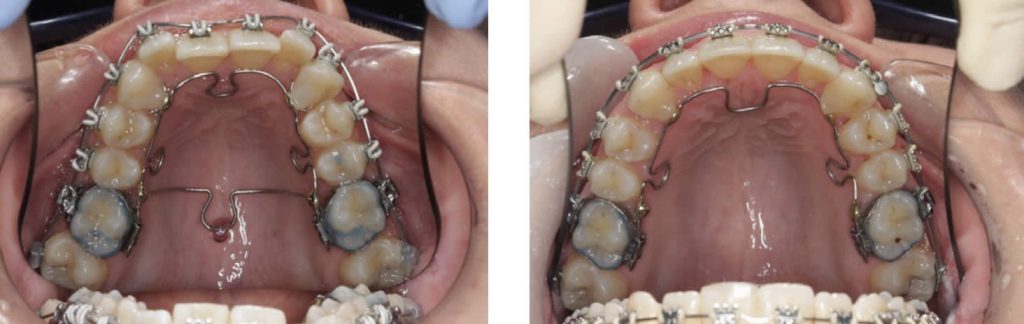
The truth is that although jaw bones are no longer growing, they can still respond to slow, controlled forces. With the right planning, slow and gentle expansion can trigger bone remodelling.
Every adult has a natural limit to how much expansion is possible, based on their biology and genetic potential — so someone who is 5’3 can’t reach the jaw size of someone who’s 6’4.
My approach works with your body, avoids aggressive forces, and prioritises stability, comfort, and realistic long-term change.
The Benefits of Jaw Expansion
This focuses on developing the jaws to their optimal size for each person, with the aim of improving both health and facial support.
Adult jaw expansion can help by:
1
Creating space for teeth to straighten without extractions
2
Improving tongue space, supporting healthier breathing and sleep
3
Creating wider smiles and better supporting face profiles
WideSmiles™ - Slow Jaw Expansion for Adults

WideSmiles™ is a philosophy built around one core principle: slow, gentle jaw expansion works best with the body’s biology.
By respecting the limits of adult biology and using slow forces that work with your anatomy, this philosophy prioritises long-term comfort, stability, and health.
Where appropriate, care is supported by working with complementary health practitioners to achieve the best possible long-term health outcomes.
The cornerstones of the WideSmiles™ approach are:
- Slow expansion appliances (eg ALF and fixed)
- A holistic approach that works in harmony with the body
- More efficient treatment times as a result of working with, rather than against, biological limits
Slow vs Rapid Adult Jaw Expansion

In simple terms, rapid jaw expansion uses high forces to widen the jaw quickly.
Slow jaw expansion uses minimal forces to encourage gradual, controlled widening.
A common misconception is that adult jaws are fixed or fused and can’t be expanded. This belief often leads to rapid approaches being chosen by default. Techniques such as MARPE or SARPE can be effective in certain cases, but they are more invasive, place higher forces on the bone and soft tissues, and often involve longer healing times.
A slow, controlled expansion approach is increasingly recognised as a more stable and comfortable long-term option for adults. When carefully planned, it can encourage bone remodelling, helping develop the jaws and create space — often allowing for jaw expansion without surgery.
In cases of severely underdeveloped jaws, surgery may still be appropriate. This is why a proper assessment always comes first.
Adult Jaw Expansion With Invisalign®

In selected cases, clear removable aligners such as Invisalign® can play a role within an adult jaw expansion plan.
Careful selection and planning are essential. Not everyone is suitable, and experience in understanding what can realistically be achieved is critical.
Without proper planning, aligners can simply tip the teeth outward rather than supporting healthy jaw development.
Invisalign® is used selectively — often after expansion, not instead of it. The right approach depends on your jaw shape, age, and goals, which is why a jaw expansion assessment is essential.
For more information check out our Invisalign London page.
What to Expect From an Adult Jaw Expansion Assessment
I don’t just look at the teeth. I look at the whole picture:
- Teeth, bite, and smile width
- Jaw position and facial and lip profile
- Airway health, breathing patterns, and any sleep concerns
- Tongue space, tongue posture, and any tongue ties
- Jaw joints and muscles, including clicking, tension, or grinding
- Past orthodontics and extractions, and how they may have impacted you
- Childhood factors and medical factors that may have contributed
After this, I explain why you are where you are, and we create a personalised plan for jaw expansion and straightening that respects biology, comfort, and long-term stability.

Adult Jaw Expansion Is a Team Effort
To achieve the best health and aesthetic outcomes, I don’t work alone.
Where appropriate, I collaborate with trusted practitioners so you get the best possible long-term result.
This may include:
- A sleep doctor (sleep studies, airway investigations, blocked noses or sinus issues)
- A myofunctional therapist (tongue posture, swallowing, oral muscle function)
- A cranial osteopath (bone movement support, especially after trauma)
- A tongue-tie specialist (release where restriction is limiting tongue posture)
Adult Jaw Expansion FAQs
I've had braces or Invisalign® before — can jaw expansion still help?
Yes. Many adults seeking jaw expansion have had braces or Invisalign® previously. A detailed assessment helps us understand what’s possible in your case.
I had teeth extracted — can this be undone or improved?
While extractions can’t be undone, jaw expansion can help reclaim some of the space that was lost and address tongue space and aesthetic issues that may have resulted.
Will you shave my teeth or recommend extractions?
No. Where jaw expansion is possible, extractions are avoided. IPR (adjusting tooth shape between teeth) is not used to create space — that comes from jaw expansion. IPR is only used selectively to refine bite changes when needed.
Am I too old for jaw expansion?
No. Jaws can respond to expansion into older age. What matters most is diagnosis, planning, and working with your body to optimise what’s realistically achievable.
Do my teeth need to be straightened after jaw expansion?
Yes. As the jaws change, teeth move. Straightening is essential to achieve a stable, functional bite and a long-lasting result.
Free Jaw/Smile Analysis & Virtual Call
PLEASE NOTE: To book your virtual call you will be redirected to a page where you’ll need to select between an adult or child jaw analysis or a smile analysis.