Palate Expander Cost UK What you are actually paying for, & why the prices online vary so wildly.
A price for palate expansion in the UK that is not preceded by an assessment is a guess. This page explains what genuinely drives the cost, why a child's expander and an adult device are not the same product, and how the NHS fits into the picture.
The reason you cannot find a single price online.
Palate expansion is not one procedure with one price. It is a family of procedures using different devices on different biology over different timeframes. A six-year-old with a still-open suture and a thirty-six-year-old with a fully fused one are not buying the same thing, and pretending otherwise is the only way to publish a number.
What you are actually paying for is the device complexity, the clinical time required to monitor the bone's response, the imaging used to plan and verify the work, and the retention phase that protects the result. A figure without context is meaningless. A figure with context is useful.
What a narrow palate is actually doing to your jaw and airway.
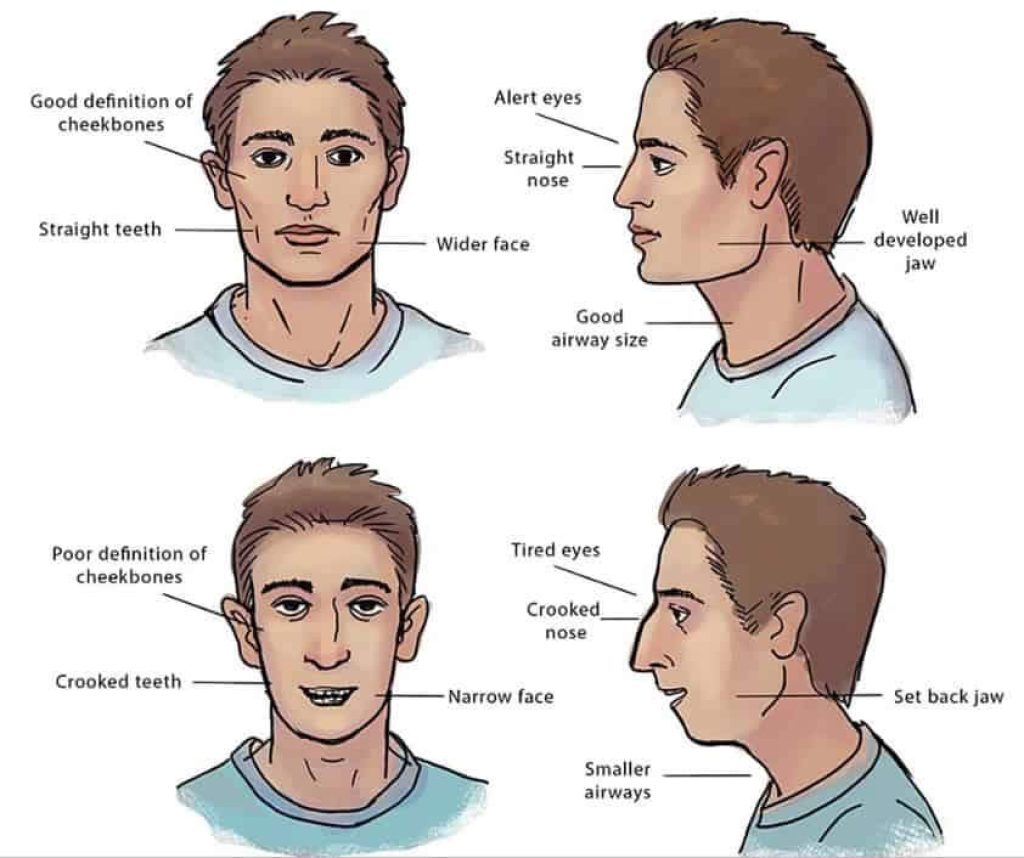
Before any cost conversation, the structural picture matters. A palate that is too narrow reduces the space available for the tongue, which tends to fall back toward the airway during sleep. The result over time is often a familiar cluster: mouth breathing, snoring, broken sleep, grinding.
Naming this is important when thinking about value. A cheap appliance that aligns teeth within a small arch may be a fix for the visible problem. A more involved treatment that widens the arch addresses the upstream cause of several symptoms at once. The two are priced differently because they are not equivalent.
NHS palate expanders: what is and is not available.
Palate expansion for children may be available on the NHS in specific cases where the clinical need meets the threshold set by the Index of Orthodontic Treatment Need (typically grade 4 or 5). The waiting list and the criteria vary by region. It is worth asking, particularly if your child is between roughly seven and twelve years old.
For adults, NHS provision is very limited and rarely includes palate expansion for structural or airway-driven reasons. Most adults will need to consider private treatment. We are stating this without editorialising; it is the practical reality and we would rather you knew it before searching further.
The cost difference between a child's expander and an adult device.
A child's palate is still developing. The mid-palatal suture is open and responsive, which means a removable plate or simple fixed expander can encourage real growth with comparatively light clinical involvement. The device is straightforward, the monitoring intervals are wider, and the biology does most of the work.
Adult expansion involves a different challenge entirely. The suture is partially or fully fused, the bone resists conventional force, and bone-anchored devices such as MARPE or surgically assisted protocols may be needed. Imaging is more important, monitoring is closer, and the retention phase is longer. The cost reflects clinical complexity, not a markup.
Fixed versus removable expanders: what each costs and why.
Removable expanders are cheaper to fabricate and easier to fit, but they depend on the patient remembering to wear them. Children are children. Compliance varies, results vary with it.
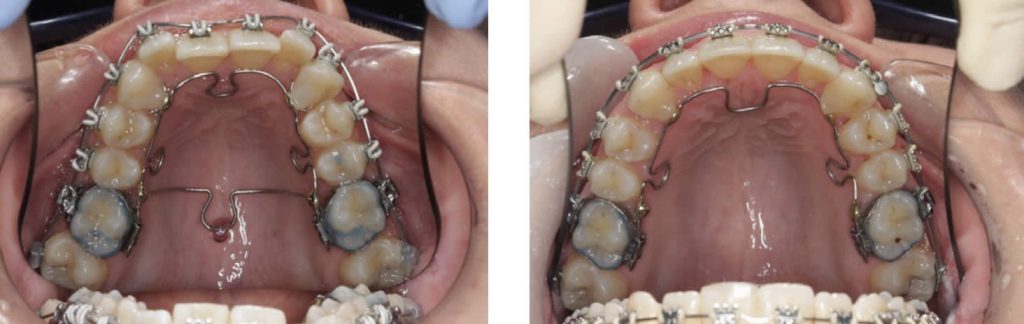
Fixed devices are bonded or banded in place. They work continuously, do not rely on a memory or a routine, and produce more predictable bone response. Within WideSmiles™ we generally use fixed devices because the bone biology we are working with does not pause when the patient takes a break.
What you are actually buying: the value lens.
Price is the visible part. Value is the part that matters and is harder to see. A successful palate expansion case typically delivers four things: a structurally wider arch (verifiable on imaging), room for the tongue to rest against the palate, an airway that may have measurably more volume, and a stable foundation for any later orthodontic alignment. None of these is a guarantee, but they are the rationale for the work.
The same money spent on tooth-only alignment in a structurally narrow arch buys straight teeth and nothing else. The teeth may or may not stay straight, depending on whether retention is maintained, and the underlying narrow arch continues to do what it has been doing. We are not saying alignment-only treatment is wrong in every case. We are saying that the price comparison is meaningful only when the products are equivalent, and they are not.
Paying for expansion: practical options.
Most patients at the clinic pay for treatment privately, and most spread the cost over the treatment timeline. Treatment plans are typically broken into stages with payment milestones, so the full fee is not due upfront. Where appropriate we can also discuss medical finance options through regulated providers.
We do not publish treatment-fee bands here because honest figures depend on the case. The £350 Jaw & Airway Analysis is the only price you will see on this site for diagnostic work. After the analysis, you will receive a written treatment plan with the full fee for any recommended work, broken down by stage, with no surprises. If you decide not to proceed, you are not committed to anything beyond the analysis fee.
Cost red flags worth recognising when comparing clinics.
A few patterns suggest a quoted price is going to grow or the work is going to underdeliver. We mention them not because we are competing on price (we are not), but because the comparison should be informed.
A specific treatment fee given over the phone without imaging is usually a guess. A "removable expander only" package quoted as comparable to a fixed bone-anchored device for an adult is comparing two different products. A treatment plan that does not include a retention phase, or charges separately for retention as an "optional add-on" months in, is incomplete; retention is not optional. A clinic that recommends expansion without ever discussing the airway, the tongue or the jaw joint is treating teeth, not structure, and the fee should reflect a teeth-only project.
None of these patterns is automatic evidence of bad care. They are signals worth asking about. A clinician should be able to answer each of them clearly, in plain English, before any money changes hands beyond the assessment fee. If they cannot, that is itself information.
A useful framing to leave you with: cost without clinical context is the cheapest part of any quote. The expensive parts are what was missed, what was deferred, and what was added later as "extras". An honest treatment plan names every stage upfront, with figures attached, and explains why each is part of the work rather than optional.
What the older approach got wrong, and why it matters for cost.
For most of the twentieth century the orthodontic answer to crowded teeth was extraction. Remove premolars, retract the front teeth, finish with retainers. It was fast and predictable, and it remains the default in many practices.
The hidden cost arrives years later. Patients who had teeth extracted as teenagers often need more complex treatment as adults when the structural and airway consequences begin to show. Counting the price of an adult expander in isolation misses the lifetime ledger. A more involved decision now can replace a longer sequence of small fixes later.
What a structural assessment involves, and why it comes before a price.
Any meaningful price quote for palate expansion has to come after an examination of your suture, your airway, your bite and your history. At Dr Depen's clinic that examination is the £350 Jaw & Airway Analysis, which includes CBCT imaging, an airway and tongue-posture review, and the conversation that ties the imaging to the symptoms you actually have.
The £350 is the only price we will quote on a public page about treatment, because it is the only price that is honest before the diagnostic work is done. Treatment fees follow the analysis and are tailored to what the imaging reveals.
Five questions to ask any provider before agreeing to treatment.
- Is the device fixed or removable, and why is that the right choice for my case?
- What is the expansion protocol, and how often will progress be monitored with imaging?
- Does the treatment plan consider my airway and tongue posture, not just my teeth?
- What happens if the suture does not respond as expected?
- What does the retention phase involve, and what does it cost?
Frequently asked
How much does a palate expander cost in the UK?
Costs vary considerably depending on the patient's age, the type of device and the complexity of the case. Removable expanders are typically less expensive than fixed devices, and adult protocols such as MARPE often involve higher fees because of clinical complexity. A structural assessment is usually needed before any accurate figure can be given.
Can you get a palate expander on the NHS?
Palate expansion for children may be available on the NHS in cases where there is a clinical need assessed under the Index of Orthodontic Treatment Need. For adults, NHS provision is very limited and rarely available for structural or airway-driven expansion. Private treatment is the realistic route for most adults.
Are palate expanders only for children?
Palate expanders are most commonly used in children and teenagers because the palate is still developing and responds more readily to gentle force. Adults can often still benefit, but the approach is different and may involve a fixed bone-anchored device. Results vary by age and individual anatomy.
How long does palate expansion treatment take?
Active expansion is often measured in months, followed by a retention phase that allows new bone in the suture to consolidate. The full timeline depends on the device used and the amount of expansion needed, and should be factored into the overall cost.
Is palate expansion painful?
Most patients describe pressure rather than acute pain, particularly in the first day or two after an adjustment. The experience varies. A protocol that works gradually with biology, rather than forcing rapid change, tends to be more comfortable in our experience.
What is the difference between a removable and a fixed palate expander?
A removable expander can be taken out by the patient, which makes it easier to clean but means results depend on consistent wear. A fixed expander is bonded to the teeth and works continuously, which tends to make it more predictable. The right choice depends on the clinical situation and the patient's age.
Why does adult palate expansion cost more than treatment for children?
In adults, the mid-palatal suture has typically fused, which means a standard removable expander is unlikely to produce skeletal change. Adult protocols often require a more complex fixed device and closer clinical monitoring, which is reflected in the cost. The investment covers the additional clinical work needed to achieve a structural result rather than simply moving teeth.